

If you have spent any time in an Australian pub or club, you know the rhythm of a pokies floor: a scatter of machines, a few quiet corners, and the steady hum of reels that never quite stop. That same rhythm is what you are really signing up for when you pick a ticket-in, ticket-out pokies lobby online. The question is not whether the reels spin, but whether the lobby is built around how you actually want to play.
What the Ticket System Actually Changes
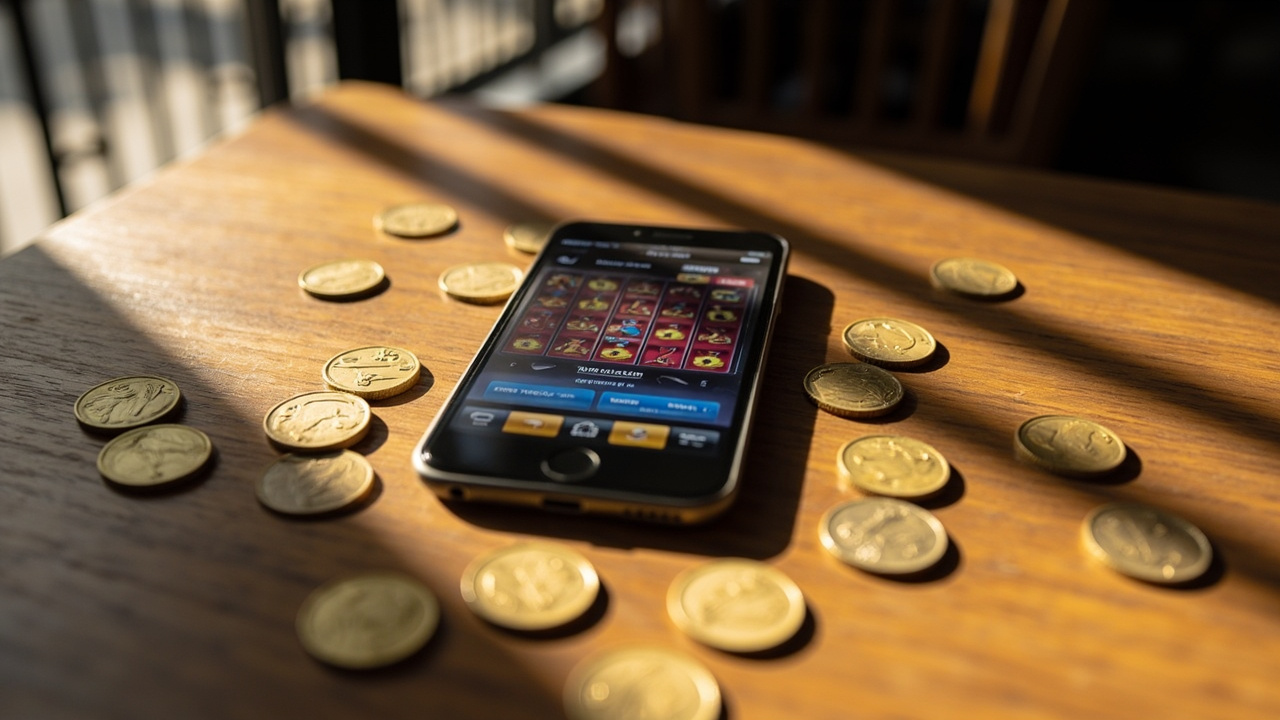
Ticket-in, ticket-out is the modern replacement for paper tickets and coin hoppers, and it changes more than just how you feed a machine. You insert a printed or digital ticket, the game tracks your credit, and when you finish you print another ticket to take to the cage or cash it back through the same interface. In a well-run lobby, that flow is invisible; in a poorly organised one, it becomes a friction point every time you switch games.
From a math point of view, the ticket mechanism itself does not alter probability, volatility, or return to player. What it does change is the pace at which players move between titles, and that pace affects how often you encounter the same RTP band across a session. On a busy floor, a ticket system lets a “chip runner” equivalent – someone ferrying value between the cage and the tables – work at scale, which is why large lobbies can keep turnaround tight without dropping credits. The historical parallel is Charles Wells, who inspired the song “The Man Who Broke the Bank at Monte Carlo” after a run of roulette wins in 1891; the anecdote is about variance and timing, not about any system that tames it. Ticket-in, ticket-out does not tame variance either, but it does make it easier to move through a lobby without losing your place.
For players, the practical takeaway is that a ticket system should reduce friction, not add a step that interrupts your rhythm. If you are playing on a lunch break or in the arvo between appointments, the last thing you want is a lobby that makes you re-enter details every time you change games.
| Detail | What It Means in Practice |
|---|---|
| Ticket format | Printed slip or app-based ticket, depending on lobby |
| Credit flow | Insert ticket, play, print out or cash back in-session |
| Session pacing | Faster game switching when the lobby is organised |
| Variance | Unchanged by the ticket system; driven by the game itself |
Picking a Lobby by Game Mix and Discovery
The real decision sits in the lobby itself. A ticket-in, ticket-out setup is only as good as the games around it, and that means looking at the catalog before you care about the ticket printer.
What the lobby holds
A useful lobby keeps a clear mix of pokies, a smaller set of table titles, and enough live content to matter if that is your thing. The slots side should span a range of volatility so you are not locked into one kind of session. If every title in the main row sits at the same RTP band and the same hit frequency, you are effectively choosing one mood and sticking with it. A better spread gives you room to move between tighter, higher-frequency games and slower, larger-push titles without leaving the lobby.
Provider variety matters here too. Different studios build different reel mechanics, bonus triggers, and payline structures, so a lobby that leans on one or two names is giving you less to test against your own style. The point is not to chase a particular provider for its brand; it is to have enough variety that you can find a title that fits the session you want, rather than forcing your session to fit the lobby.
How you find games
Discovery is where many lobbies lose players. A search bar is the bare minimum, but a good lobby also sorts by volatility, RTP band, features, and provider so you are not scrolling blind. If you want a quieter session with smaller, more frequent pushes, you should be able to narrow the list without guessing. If you want a slower build toward a bigger feature, the same filter logic should be there.
The ticket system interacts with this because fast discovery means faster game changes. If the lobby makes you hunt for ten minutes before you land on a title, the ticket printer is doing its job but the lobby is not. A well-organised lobby keeps the ticket flow and the game discovery on the same clock, which is what lets a session feel coherent instead of interrupted.
Bonus mechanics and how they fit
Bonus terms should be readable before you commit, not buried in a separate page you only find after you have already started. A lobby that is serious about clarity will show wagering, game weighting, max bet limits, and expiry in one place, and it will do so in plain language. That matters for ticket-in, ticket-out because you are often moving in and out of sessions quickly, and a bonus that looks simple until you read the fine print is a poor fit for that rhythm.
One practical example: say you are an ordinary Australian player grabbing thirty minutes between work and dinner. You ticket in, pick a title from a filtered list, and play a short session. If the lobby’s bonus terms are clear and the game mix is varied, you can finish, print your ticket, and walk away without a second guessing the rules. If the terms are vague or the lobby only offers one volatility band, that same thirty minutes turns into a lot of reading and not much playing.
Lucas Foster, Customer Experience Lead, Flinders Interactive Group, puts it plainly: “Players do not remember the ticket printer; they remember whether they could find the right game in the right mood without fighting the lobby.” That is the standard worth measuring against.
Does This Setup Fit Your Play Style
Not every player needs the same lobby, and ticket-in, ticket-out is not a verdict on quality by itself. It is a fit question.
If you play short sessions and move between games, a ticket system in a well-organised lobby saves time and keeps your credits moving without extra steps. If you prefer longer, single-title sessions, the ticket flow matters less and the game’s volatility and RTP matter more. If you want table or live content alongside pokies, the lobby should hold those in the same account flow rather than making you treat them as a separate world.
Payments and currencies should match the way you actually bank your session. A lobby that lets you move in and out without awkward currency conversions or hidden steps is a better fit for ticket play than one that makes every cash-out feel like a separate project. Registration should be straightforward, mobile play should keep the same lobby organisation as desktop, and support should be reachable when something does not line up. Loyalty, if present, should reward the way you play rather than nudging you into a different style.
Evie Hughes, Commercial Director, Eucalypt Digital Advisory, notes that “a lobby’s value is in how little you notice the plumbing while you are choosing a game.” Cameron Walker, Head of Public Relations, Tasman Gaming Partners, adds that “players who understand their own volatility preference usually pick better lobbies than players chasing a headline bonus.” Both points land on the same idea: the ticket system is useful, but the lobby around it is what you are really judging.
If you are weighing a new platform, it is worth checking whether the lobby actually supports your session shape before you commit. For a broader look at how newer platforms are setting up their pokies lobbies, you can read a short comparison at new pokies platform comparison before you decide which setup suits you. And if you want to see how one operator structures its own lobby and ticket flow, the jack and jill casino page lays out its own mix and banking options in plain terms.
The right choice is the one that matches how you play, not the one with the loudest claims. A ticket-in, ticket-out lobby is worth picking when it keeps your session moving, your game list readable, and your terms clear. Everything else is just noise around the reels.